
Last night I attended a mothing night at Irwin Prairie State Nature Preserve, just a few miles from home. As interest in moths has grown rapidly in recent years, the manager of our local state preserve started hosting monthly mothing events for the community. With the help of some local moth enthusiasts, she hangs a half dozen white sheets around the property, each illuminated by a bright light. As most people know, moths are helplessly attracted to lights. I love mothing like this because you never know what might show up on the sheets, and when a voice in the dark calls out, “Hey Maureen, come see this Petrophila!,” our adrenaline spikes and we all geek out over the bugs together. Despite having bugs in my hair…and mouth…and nose…it’s an absolute blast and I only leave when I’m too tired to keep going.
This video will give you an idea of what it’s like at the sheets, with everybody nerding out together:
I took this video several years ago at a large mothing event in southern Ohio. (Check out the first time I wrote about it in Creatures of the Night.) Last night’s event was much smaller, with fewer than 20 of us roaming back and forth between a half dozen sheet stations. We each carry flashlights and various types of cameras, and do the best we can to document our finds. Many of us contribute our photos to the iNaturalist project “Insects of Irwin Prairie.” (I think you can access our photos without having an account at iNat — here you go.)
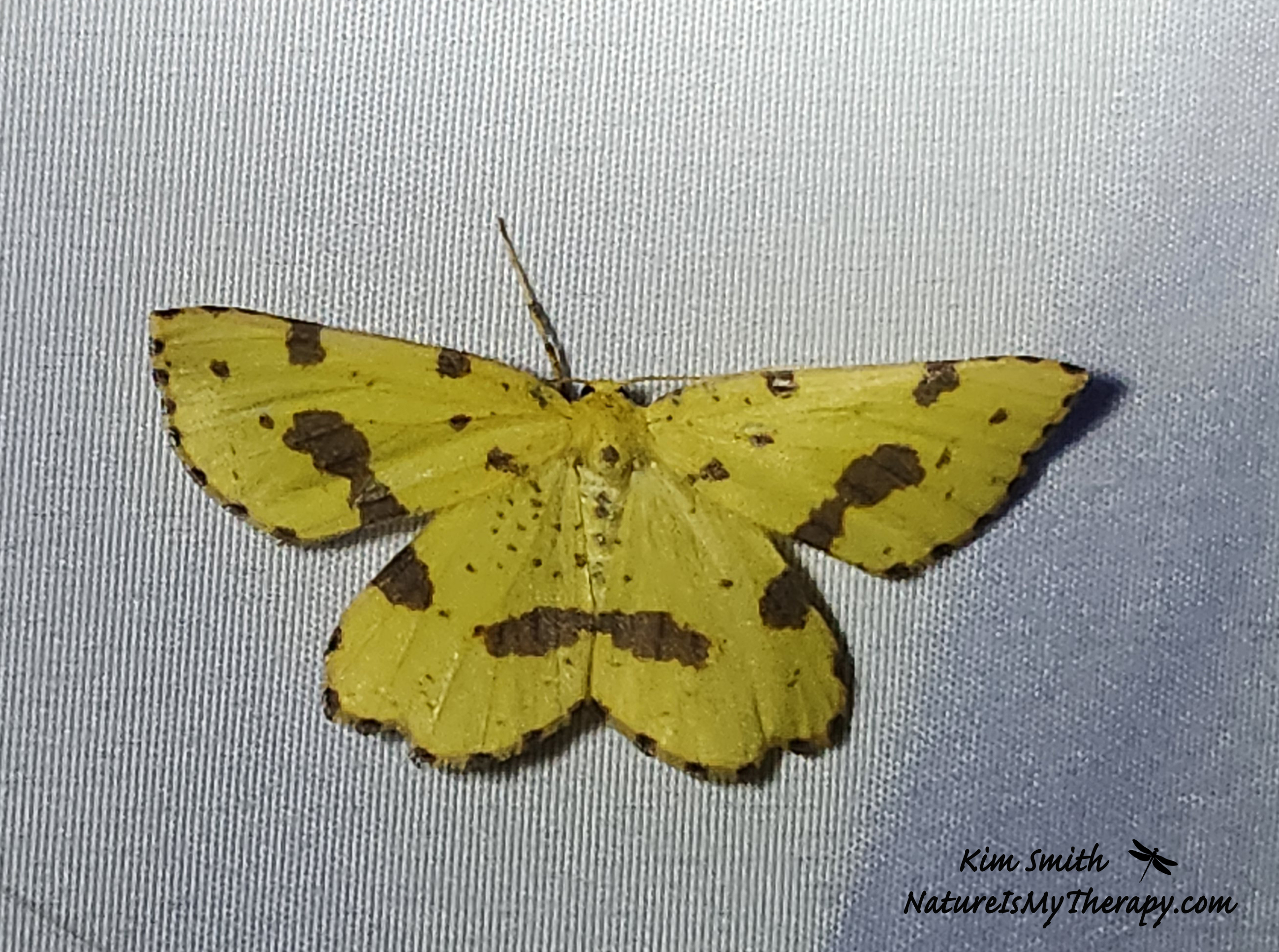
I’ve mostly given up carrying my heavy camera and am trying to perfect my techniques using a phone camera with a handheld flashlight to illuminate the moth I want to photograph. Fortunately, many moths will sit still to allow a phone photo from a few inches away. But for the ones that are moving around more, I try to take a more distant photo and hope it’ll crop down and still be identifiable on iNat. But as you’ll see, many of these are not great photos. They still serve well as memories of a fun evening, and I think they help you to see why we love studying them. Most people probably don’t think moths are pretty, and rather consider them annoying pests to be swatted away at the porch lights. If you’re one of those people, have I got a surprise for you: Moths are beautiful and highly diverse! Just take a look at some of these from last night:
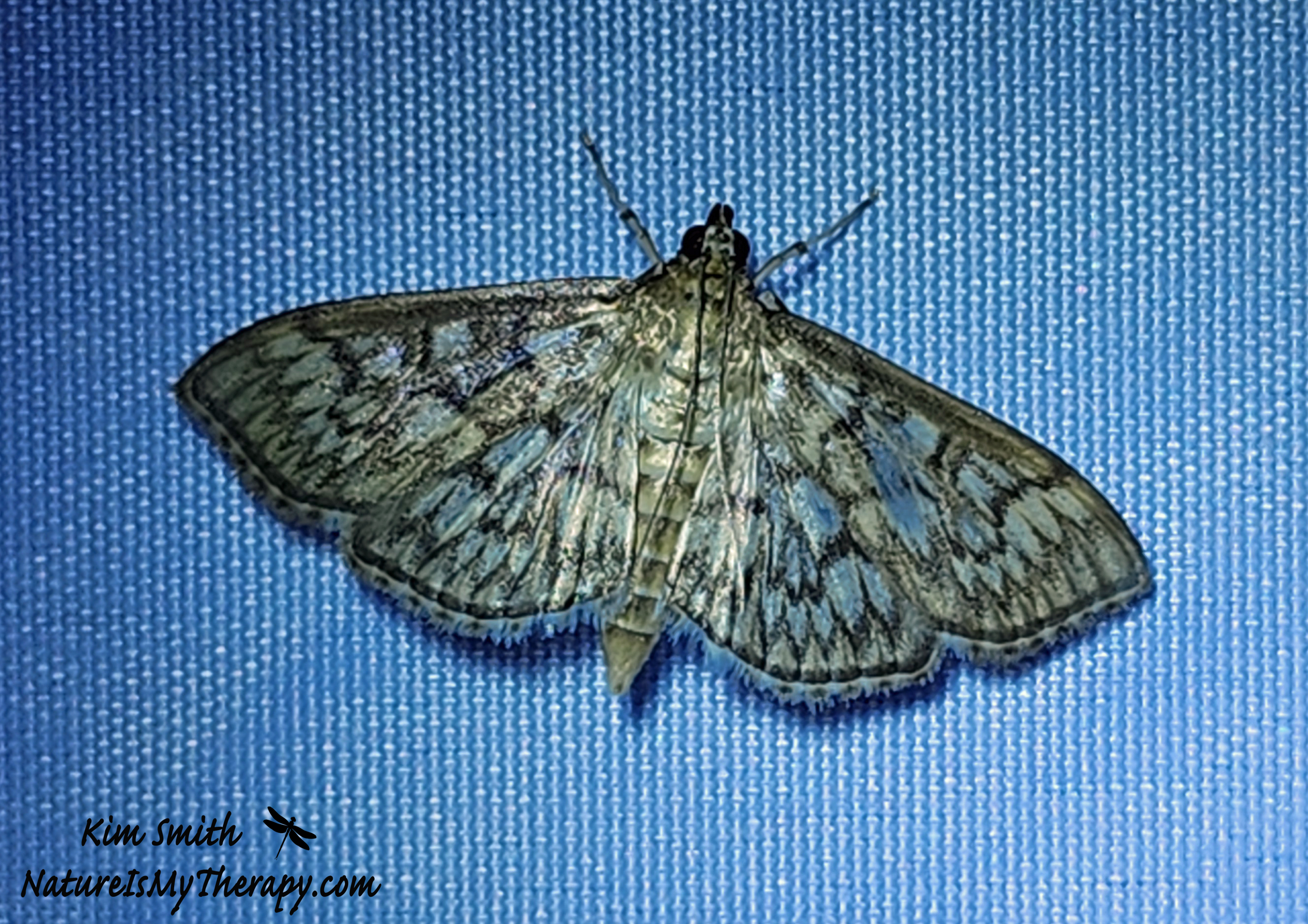
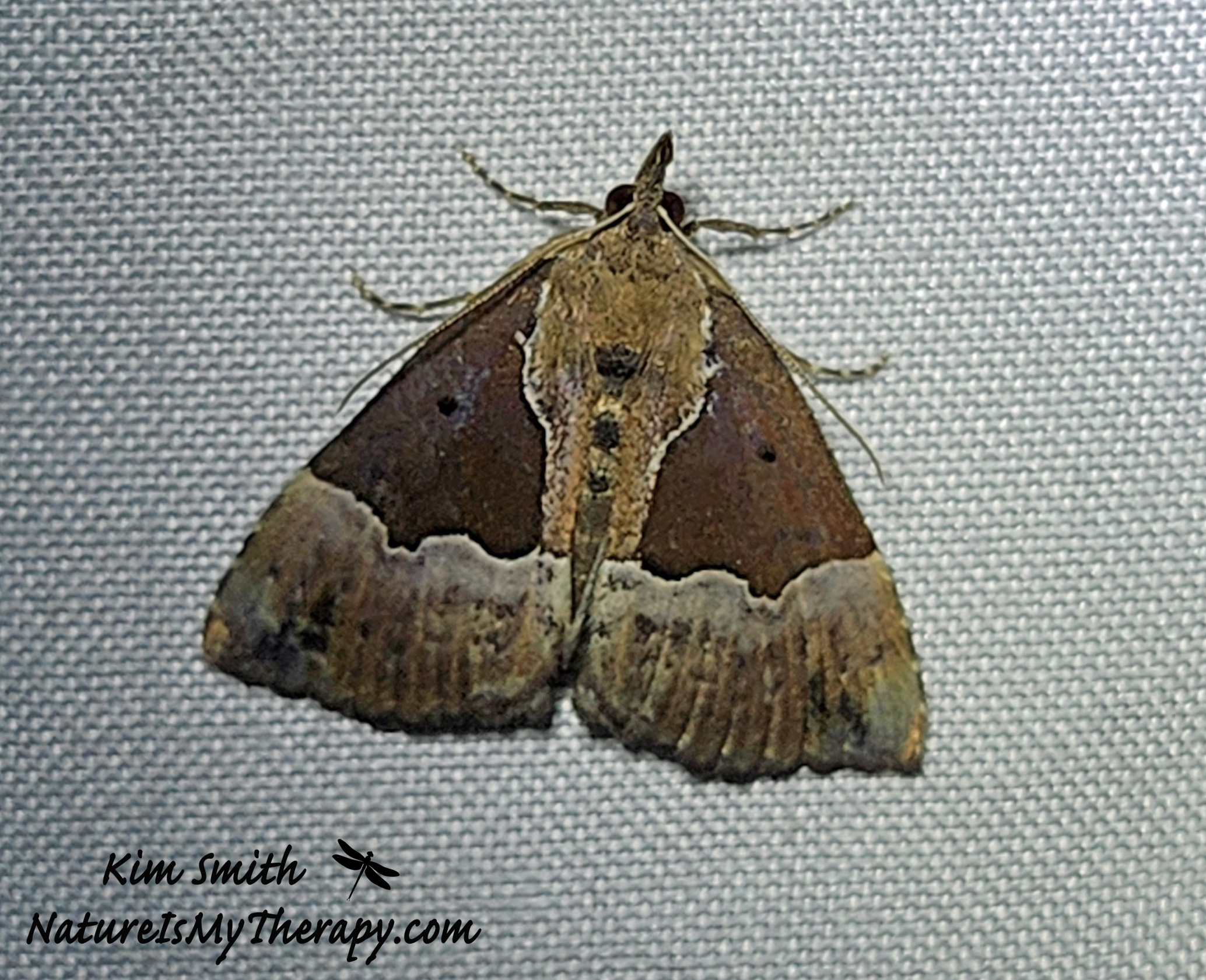

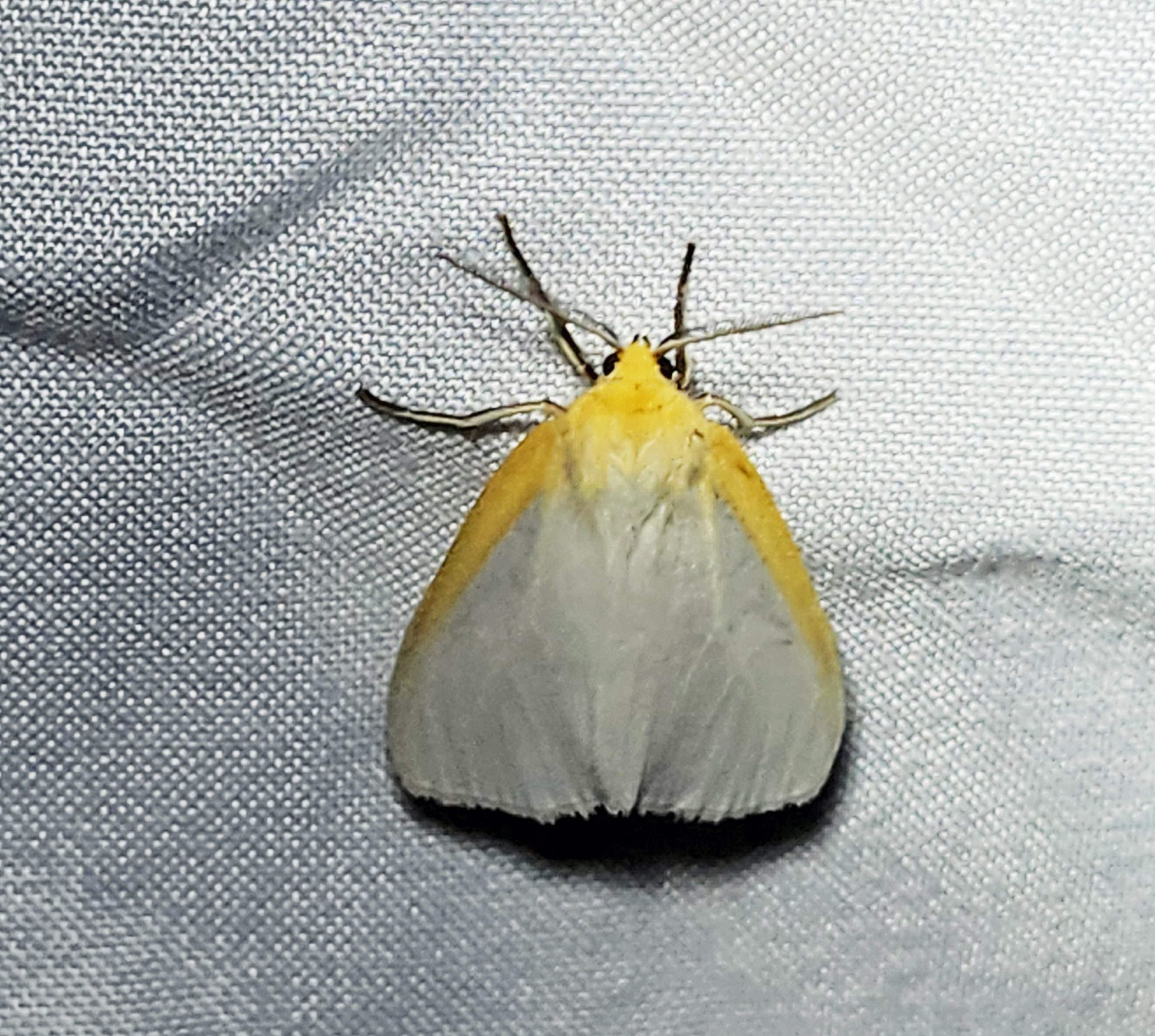
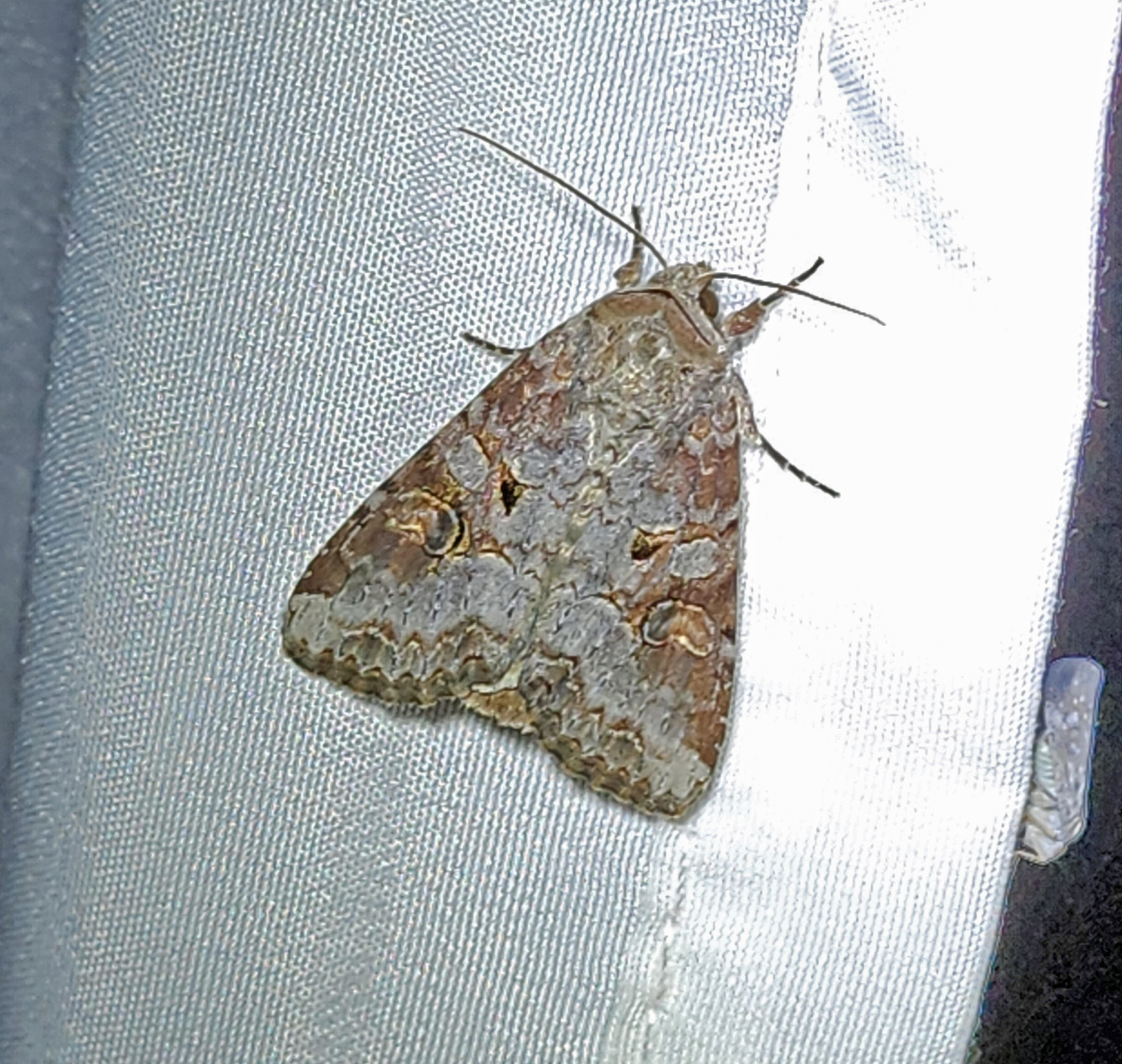
Disclaimer: I’m no expert on identifying these moths, so I rely on iNaturalist to suggest the right names for my photos, subject to confirmation by the community of naturalists who know them better. So some of the names given here may not be accurate.
And then there are these evocative names: “Glorious,” “Splendid,” … It’s obvious that the people naming these lepidoptera think they’re some special creatures. (You may remember that I also wrote about dragonfly names a while back — What’s in a Name?)
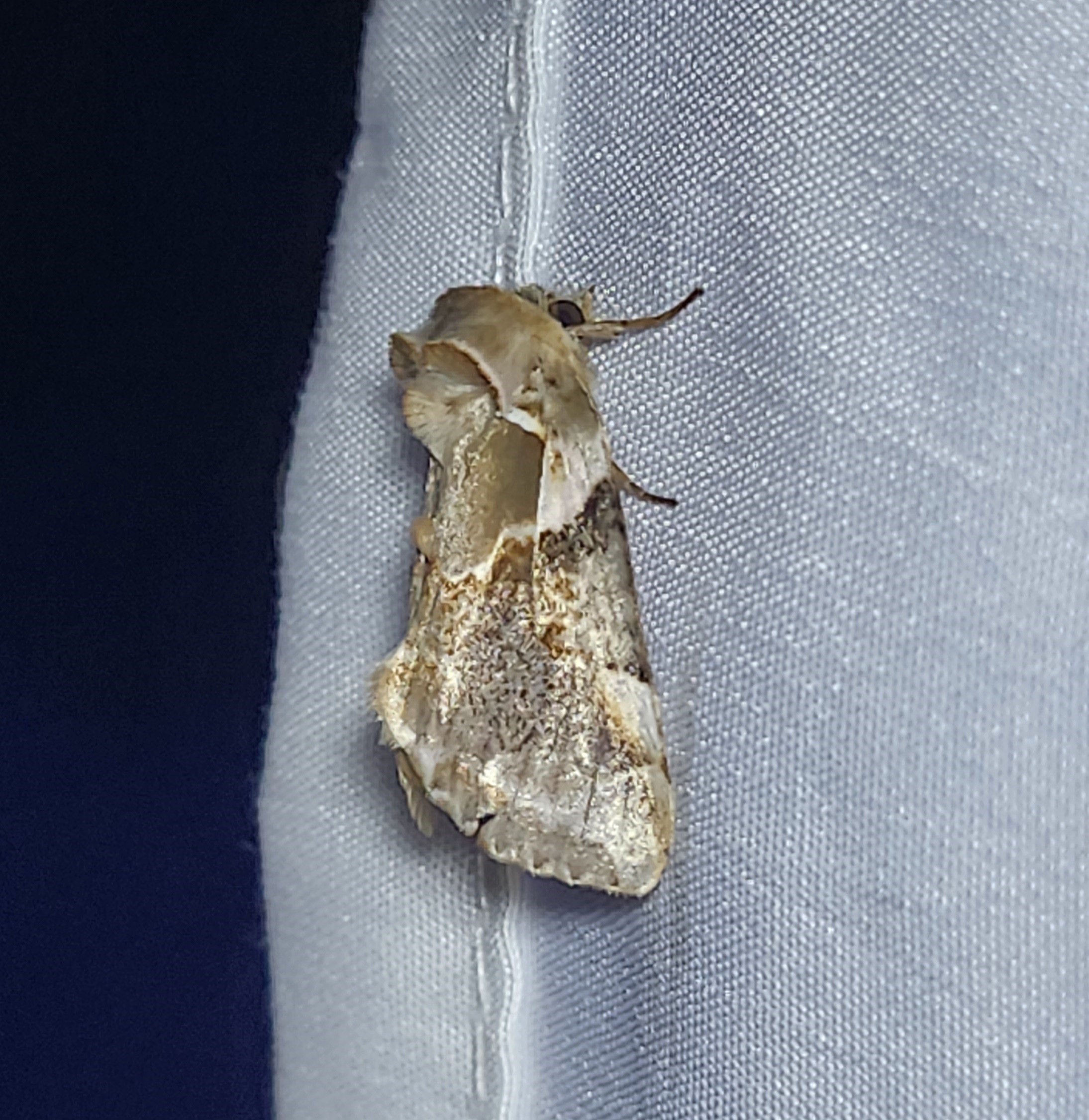
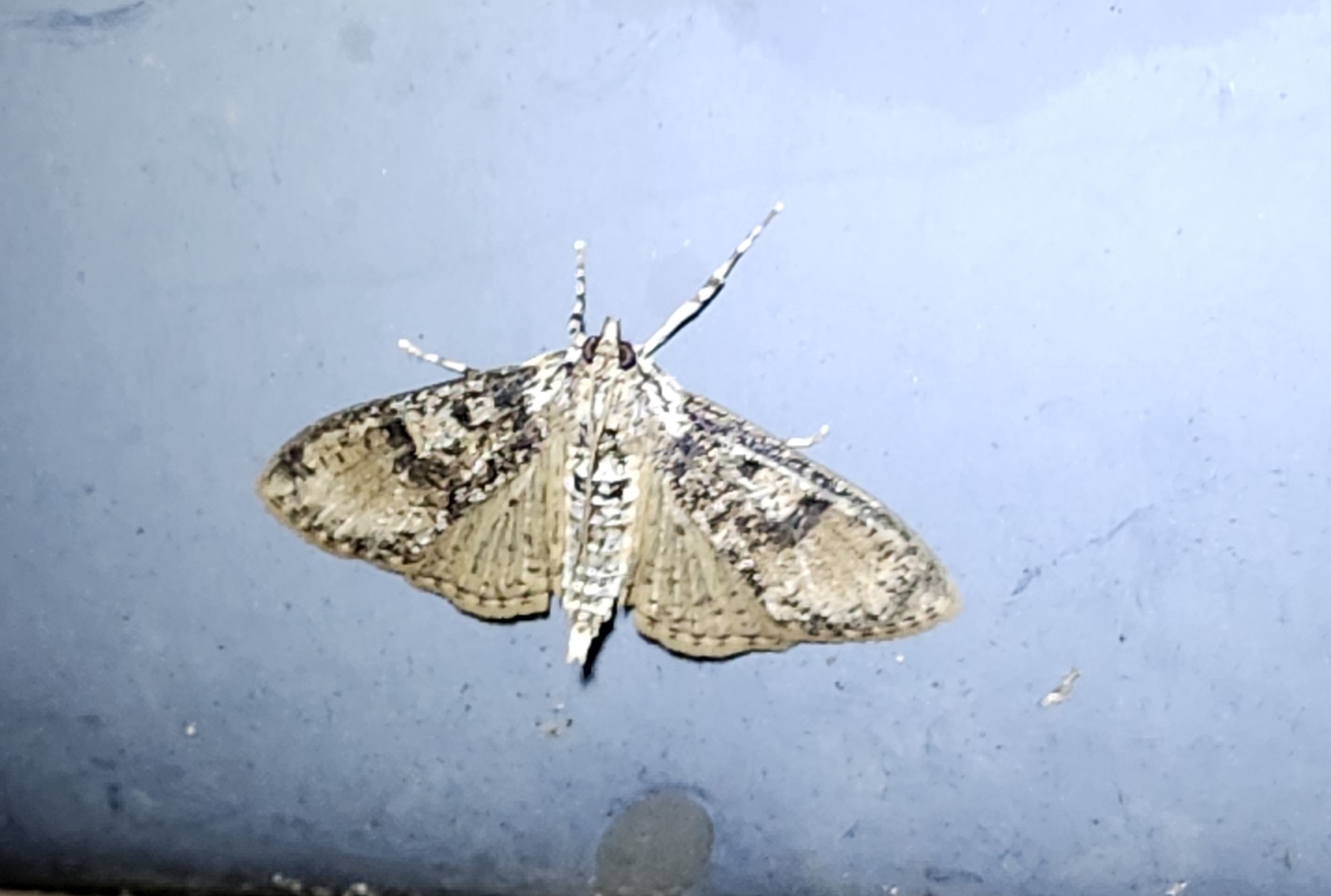
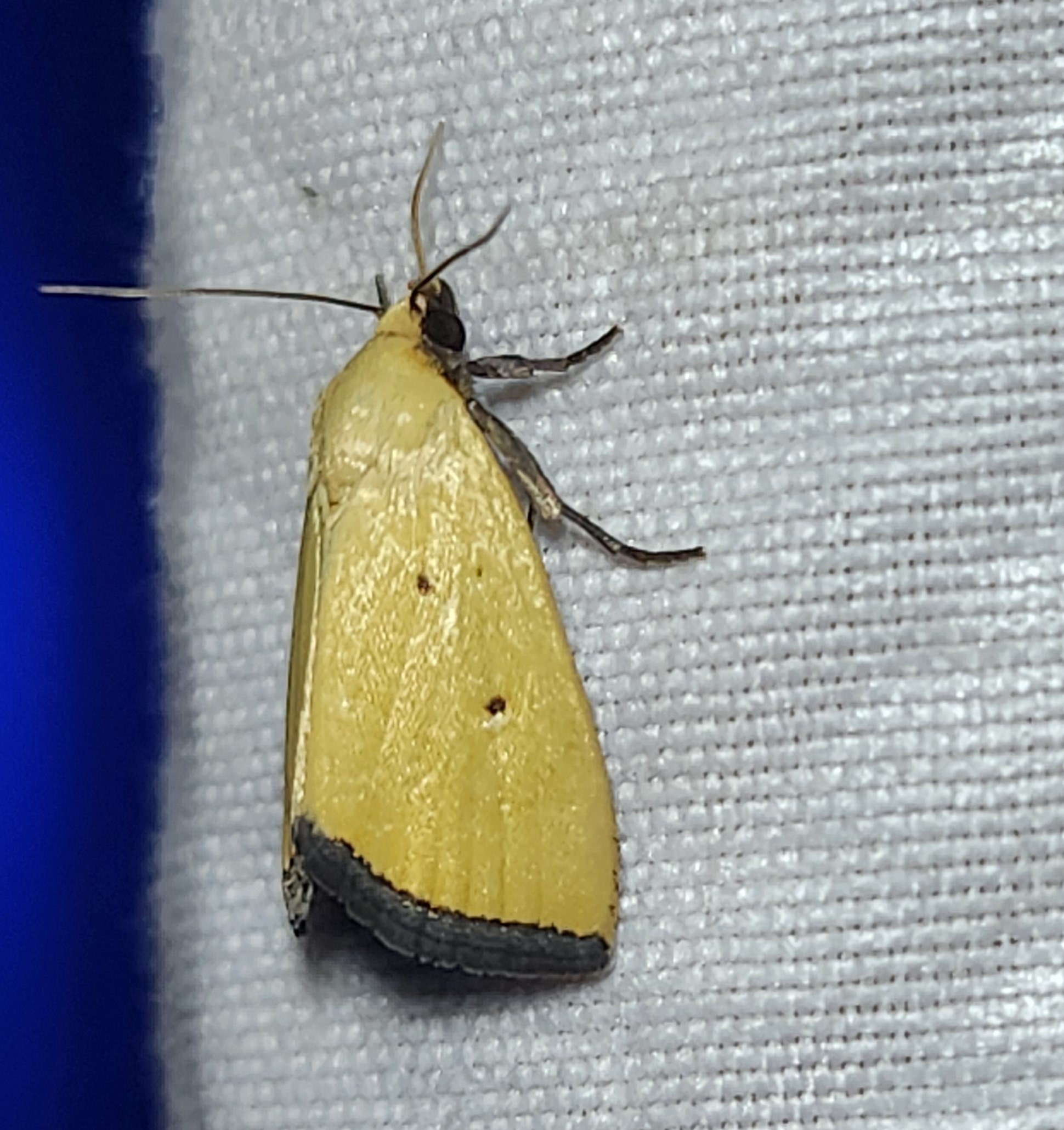
This black-bordered lemon moth is one of my favorites from last night. It’s gorgeous, has a cool name, and I’ve never seen one before. I also liked this green leuconycta, although the photo doesn’t do it justice.
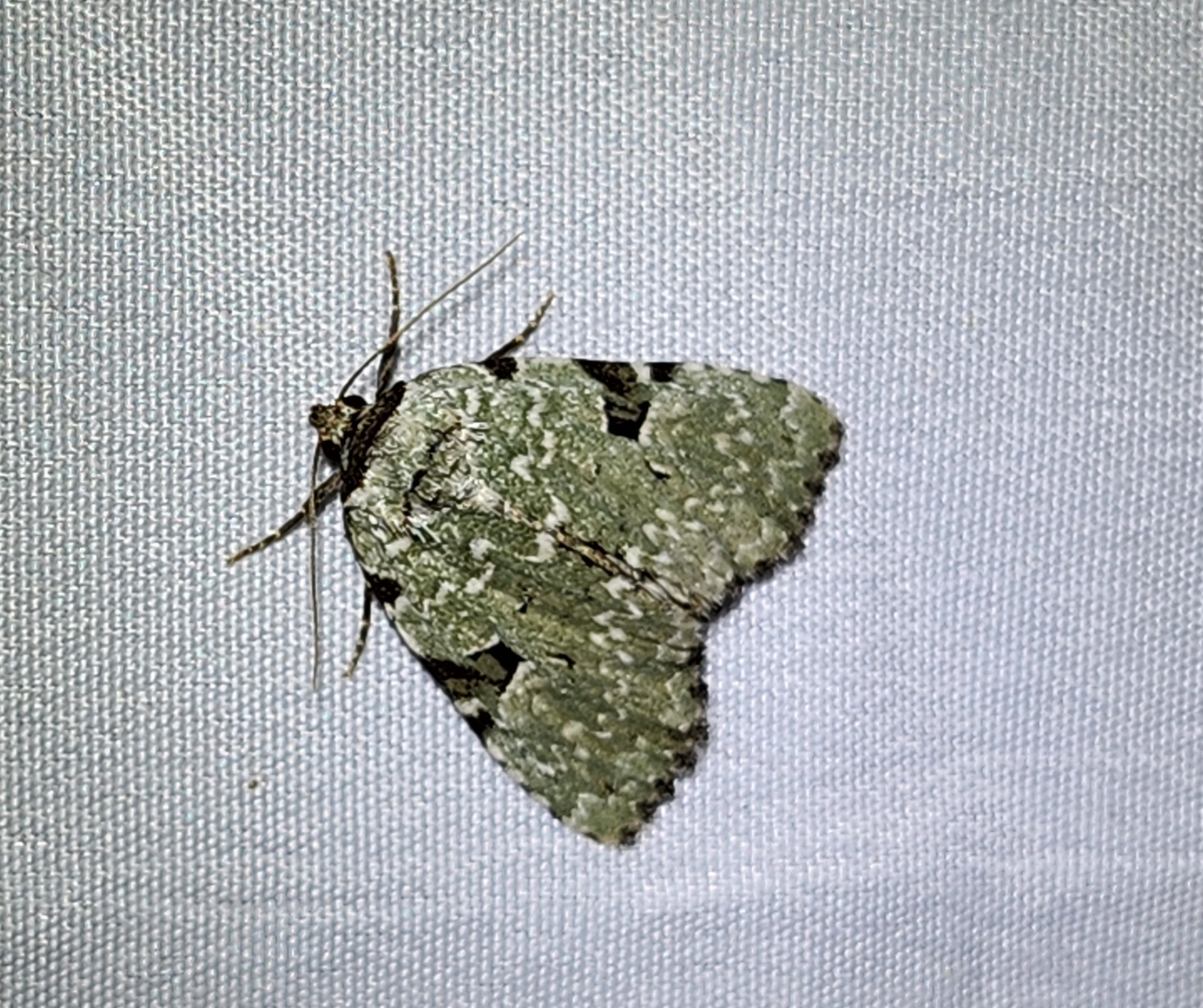
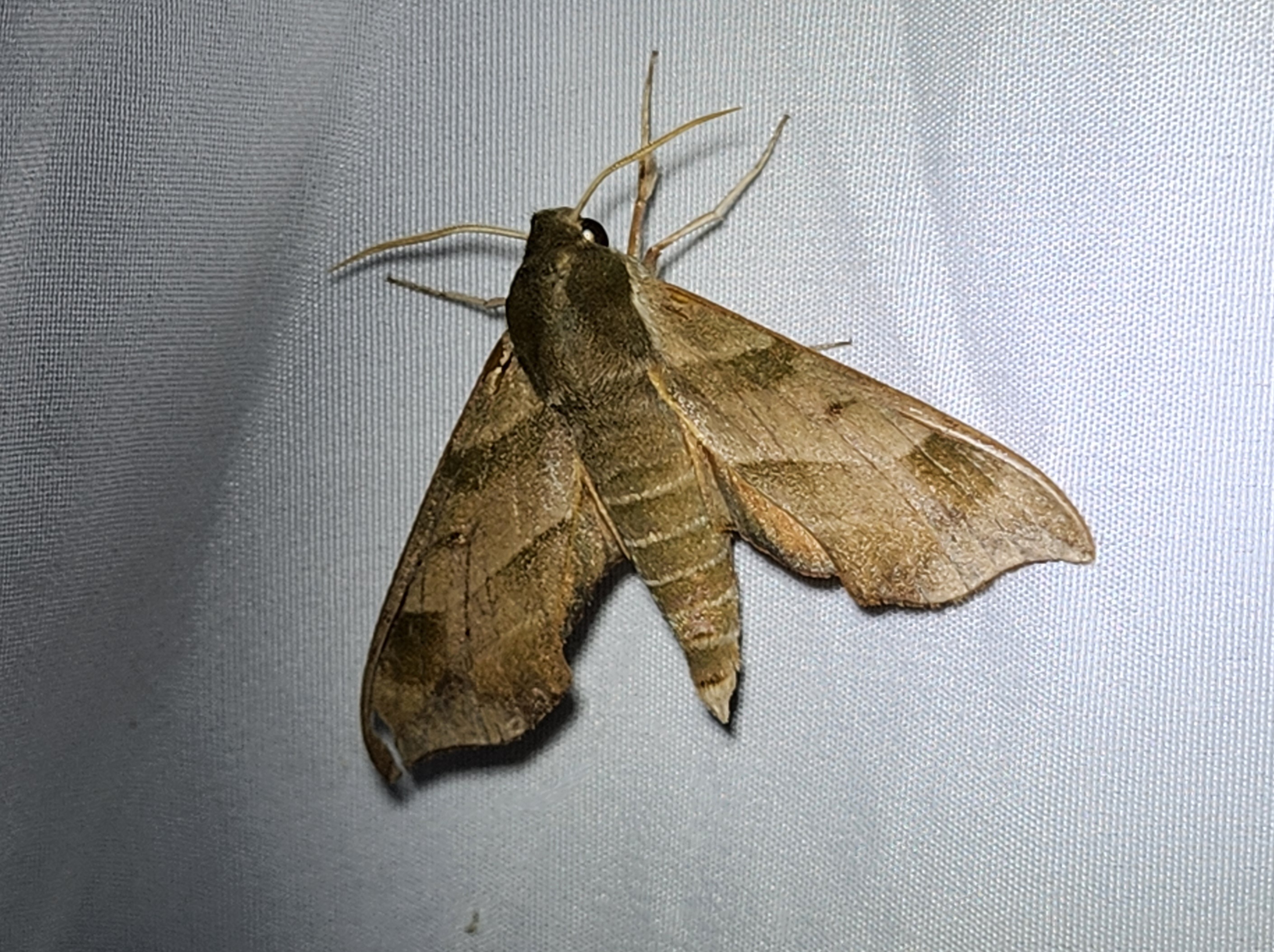
The large sphinx moths are consistent crowd pleasers at any sheet. There were two of these on one sheet last night, and another kind thirty yards down the path. And then there are the moths with muted colors and subtle patterns like this one, whose identity I’m not sure of yet.
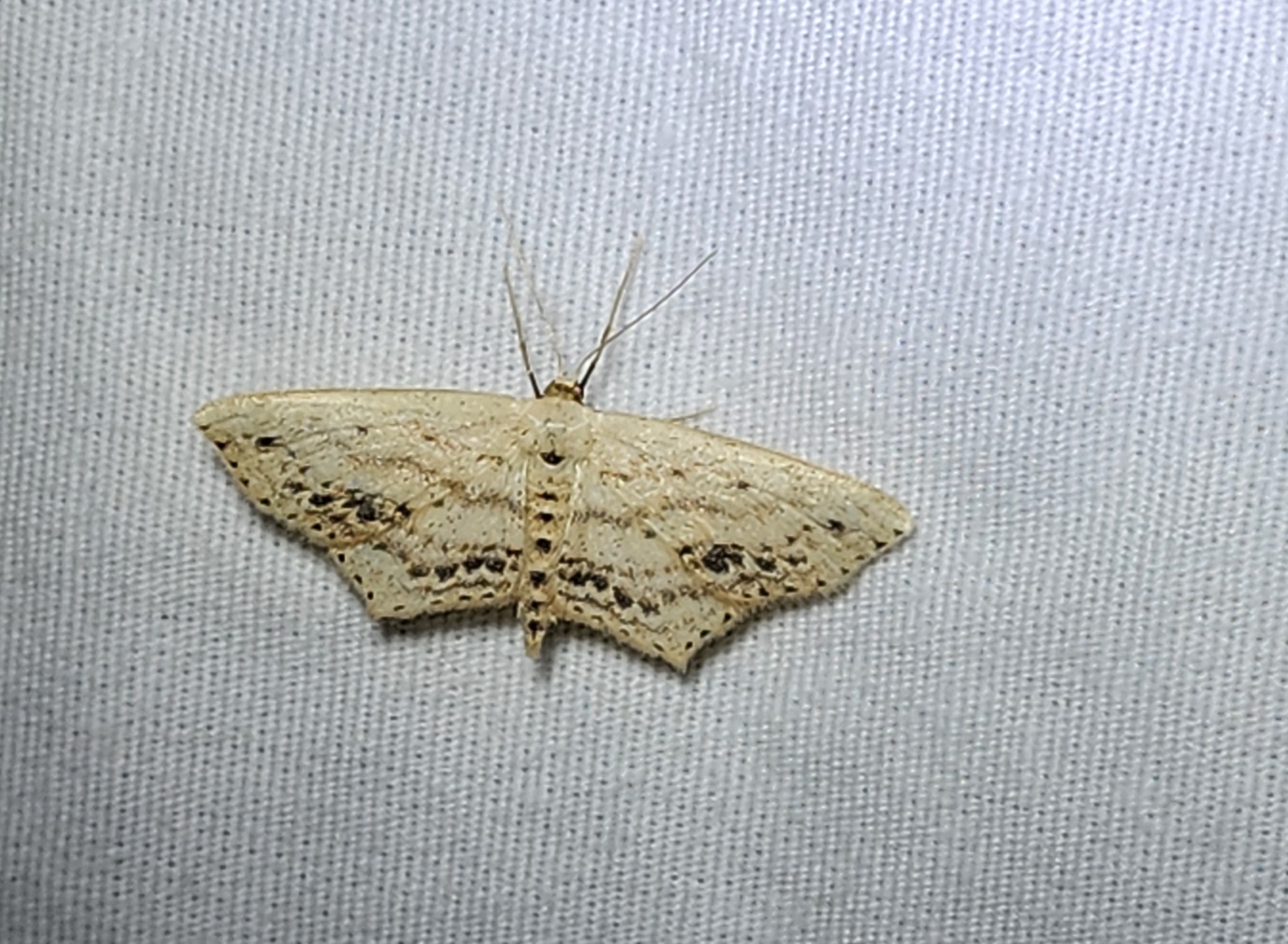
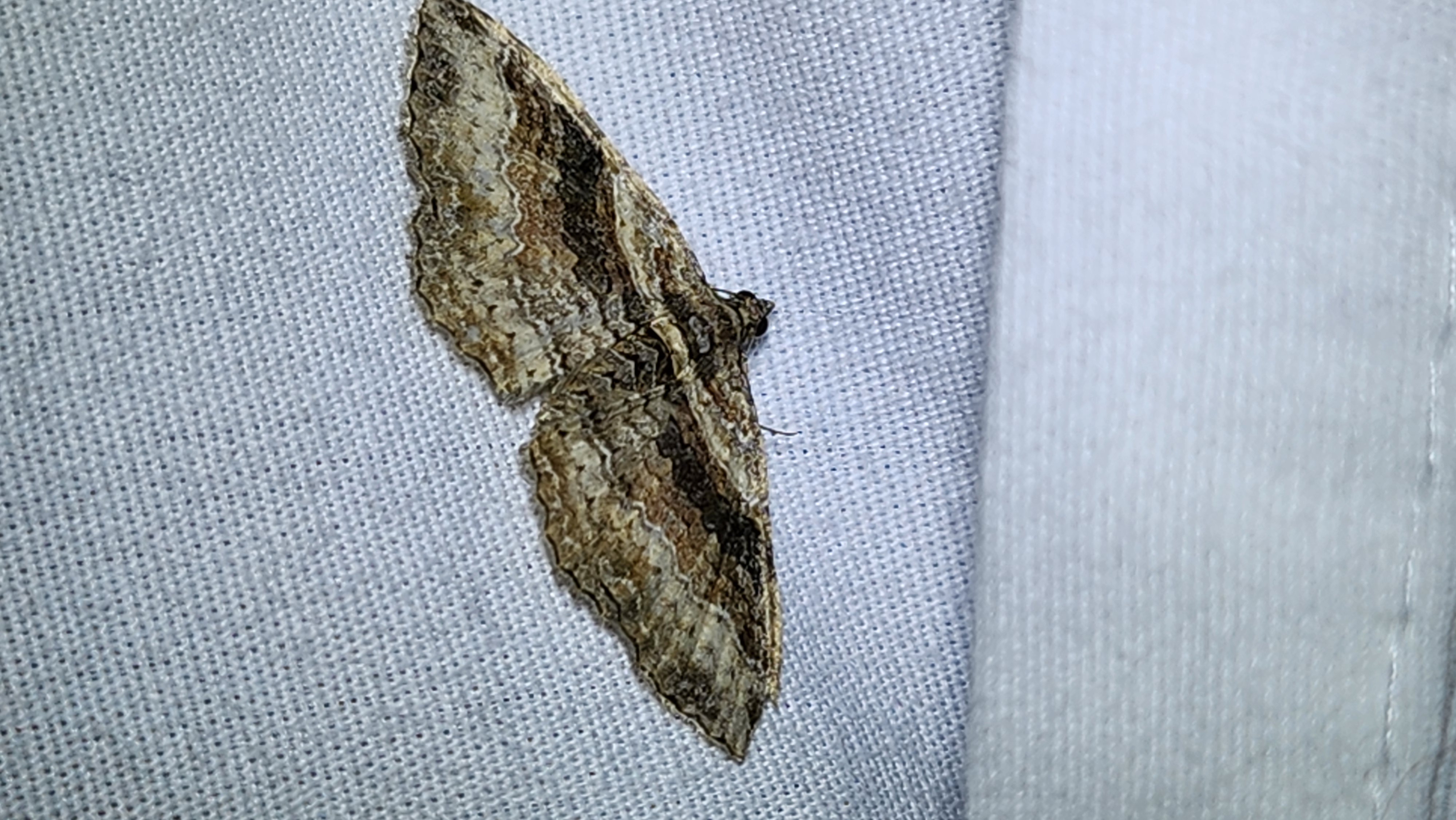
And, as if all of those weren’t enough excitement, I found a lifer beetle on the sheets too! Behold the lovely cottonwood leaf beetle:
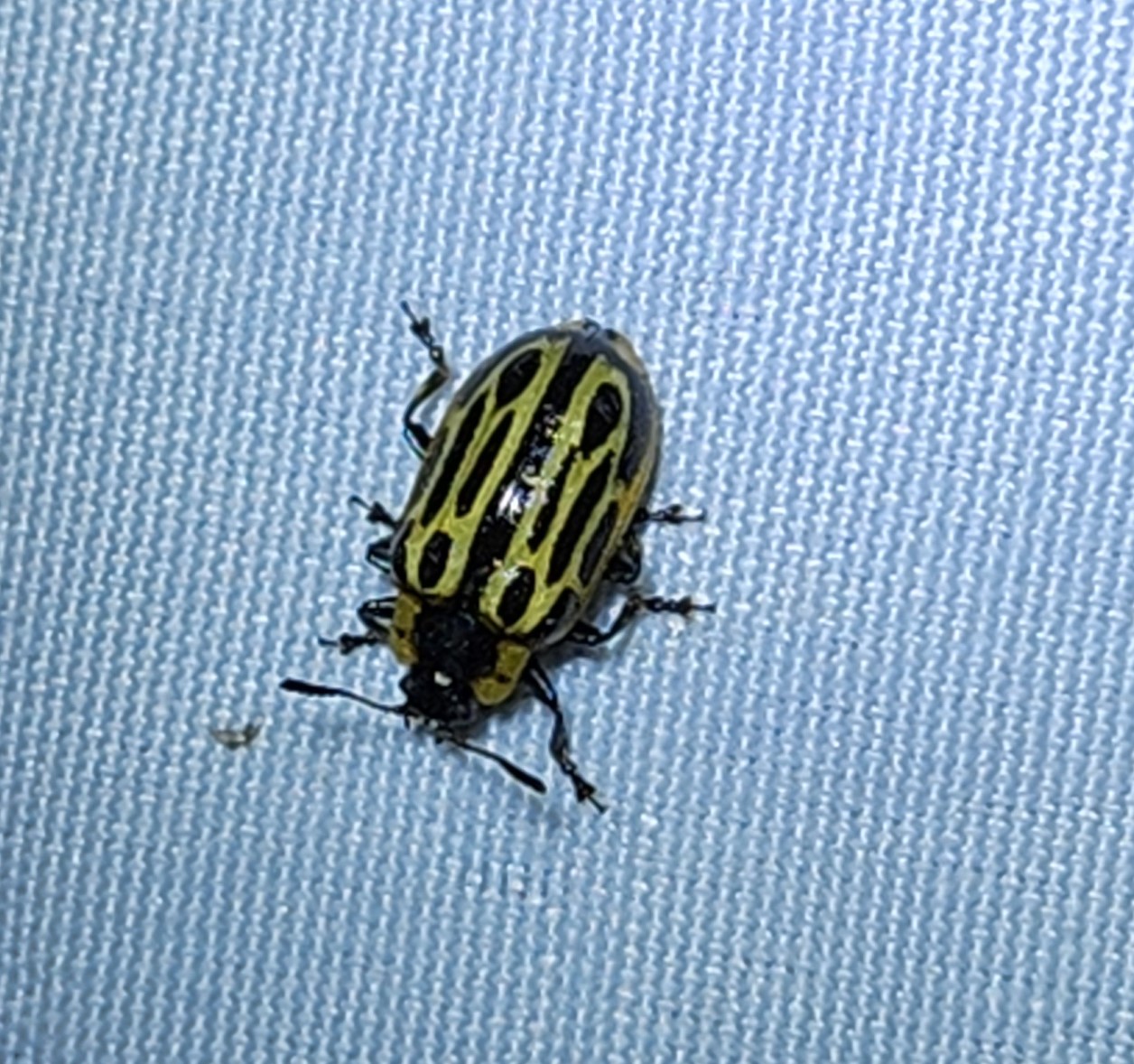
Okay, I’ve quite possibly caused your eyes to glaze over by now but I hope this has piqued your interest in these night-flying cousins of butterflies. If you decide to set up your own sheet to try mothing at home, you can leave it up into the early morning hours to attract the largest diversity of species. But try not to leave it up past dawn, otherwise the birds will feast on those helpless moths. It’s kinder to turn the lights off and allow them time to fly back into the dark and have a chance at living the rest of their already-brief lives.
*The title of this post is borrowed from a hilarious movie and tv series about vampires in New Zealand. If you’re a fan of Jemaine Clement, you’ll love it.
 Nature is my Therapy
[…] when the goldenrods and asters will be buzzing with lots of insect activity. In the meantime, the nighttime mothing events have been a way for me to indulge my insect love when the sun isn’t beating down on […]
LikeLike
I’m so glad to see you have access to an interesting evening with like minded others. I have always admired the beauty of moths, some of which are more beautiful than butterflies. I particularly like the bold feathered grass moth and the tan wave moth (If I’ve messed up the names, forgive me, this is the last week in our house and it is a very busy time getting ready to move interstate.)
Wishing you well. xx
LikeLiked by 1 person
Did you know that butterflies are a type of moth? They’re all in the order Lepidoptera, but butterflies are in a subfamily under that order. There are lots more moths than butterflies, but we just don’t notice them in the same ways. Good luck on the move and I hope everything goes well!
LikeLiked by 1 person
Thanks for all the pics. I really enjoyed the video to see what a mothing night it like. My favorite, if I had to choose, is the Black-Bordered Lemon Moth. It’s a beauty! BTW, looking forward to seeing you IRL next week!
LikeLiked by 1 person
Yes, looking forward to our visit!
LikeLiked by 1 person